Innerspring mattresses use a network of steel coils to support the body and provide a responsive sleeping surface. Their construction can encourage airflow through the mattress, helping heat circulate rather than remain trapped. Coil design, padding, and upholstery materials all influence firmness, pressure distribution, and how movement is felt across the bed.
Different innerspring systems offer distinct support characteristics. Bonnell and continuous coils are interconnected, while pocketed coils move more independently and may limit motion transfer. Mattress height, coil count, and comfort layers also affect the feel. Considering these features alongside sleep position and personal comfort preferences can help explain how a mattress may perform.
The Royal-Pedic Natural Cotton Mattress with Wool Wrap combines an innerspring support system with natural cotton and a wool wrap. Cotton provides a breathable, familiar upholstery material, while wool adds a resilient cushioning layer. These materials contribute to the mattress’s surface feel and help distinguish its construction from models made primarily with synthetic foams.
Natural-fiber materials can be relevant to people comparing organic mattresses and other bedding components. Wool is valued for its ability to manage moisture and provide cushioning, while cotton offers a soft, breathable layer. Product specifications should be reviewed for details about material sourcing, certifications, coil configuration, and care requirements.
An innerspring mattress works as part of a broader sleep setup that may include pillows, sheets, and duvet covers. Matching bedding to mattress dimensions and considering fabric breathability can support everyday comfort. Regularly rotating a mattress when its manufacturer recommends it may also help distribute wear, though care practices vary by construction.
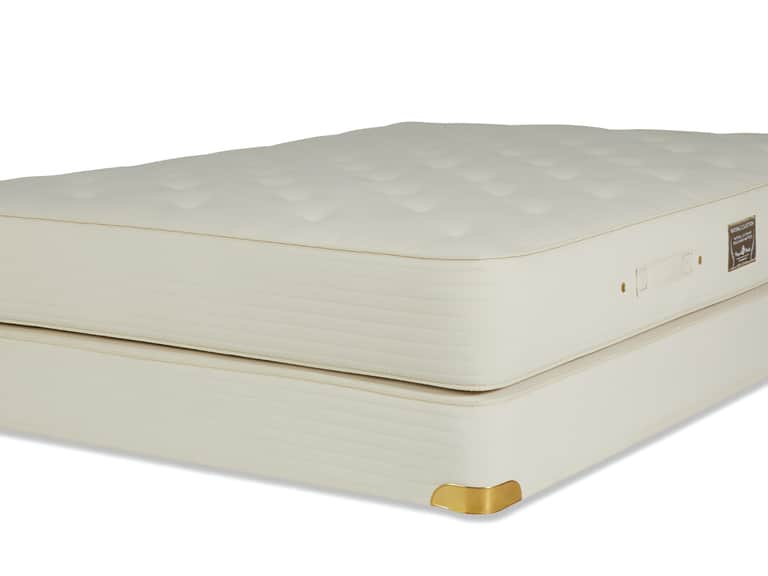 Innerspring Mattresses