A Designer’s Guide to Choosing Premium Bedding Materials: Cotton, Silk, Linen, and Alternatives
In the quiet hours of the night, the fabric that touches our skin becomes a compass for rest. Premium bedding is more than texture; it is a meditation on climate, care, and the intimate rituals of sleep. This guide explores the core material families—cotton, silk, linen—and the high-performance alternatives that shape luxury sleep spaces. We’ll compare feel, care, and cost, and offer practical advice for selecting fabrics that align with your climate, sleep style, and health considerations. Along the way, we’ll meet three influential figures from different epochs who, in their own ways, wrote chapters about comfort, craft, and the science of rest.
Core material families: texture, temperature, and durability
Premium bedding begins with three foundational fibers that have defined luxury across centuries: cotton, silk, and linen. Each fiber carries a different history of cultivation, weaving technology, and sensory response. Understanding their intrinsic properties helps you predict how they will perform in your bedroom: how they feel to the touch, how they regulate heat, and how they respond to care rituals.
Cotton
Cotton remains the workhorse of luxury bedding. Within cotton, subtypes such as long-staple Egyptian or Pima cotton offer a smoother hand and greater filament length, which translates to a softer surface and improved durability. The weave matters as much as the fiber: percale delivers a crisp, cool finish; sateen offers a smoother, more lustrous feel; and jacquard adds subtle texture and pattern. Thread counts have their place, but fabric design, finishing, and the presence of chemical or natural finishes ultimately define comfort and longevity.
Silk
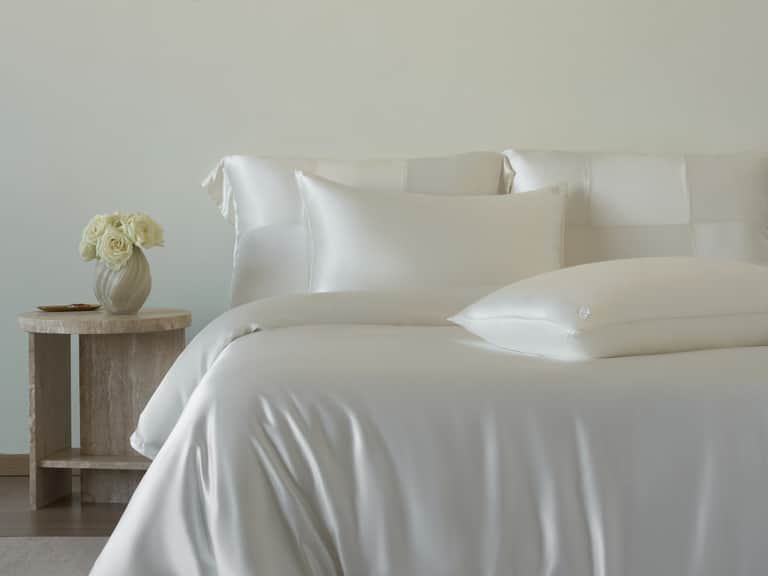
Silk bedding embodies temperate luxury. Mulberry silk, in particular, has a long-standing reputation for softness, breathability, and temperature regulation. The dense weight of 22 Momme or higher often yields a denser, more draped surface that glides over the skin. Silk’s natural properties can reduce friction on hair and skin, supporting an appearance of vitality and reducing sleep-related creasing. Care requires gentle handling, as silk is more sensitive to heat and harsh detergents.
Linen and Alternatives
Linen brings a distinctive coolness and an earthy texture borne of flax fibers. It softens with use, gains character over time, and is valued for its breathability in warmer climates. For those seeking high-performance alternatives, blends and technical fabrics combine breathable fibers with moisture-wicking finishes to balance temperature control with easy care. These options expand the toolkit for designing sleep environments that perform across seasons.
Quick material comparison: feel, care, and price ranges
Cotton (Egyptian, long-staple)
Feel: Crisp to soft, depending on weave. Breathable and durable with proper care.
Care: Machine wash warm or cold; avoid harsh detergents; prolongs life with line drying or low-tumble.
Price range: mid to high
Silk (Mulberry, 22 Momme)
Feel: Silky, draping, and cool-to-warm depending on humidity and body heat.
Care: Delicate cycle, silk-safe detergent, air-dried or low-heat steams.
Price range: premium
Linen
Feel: Natural, textured, instantly breathable; softens with use.
Care: Durable, often machine washable; may require gentle washing to protect texture.
Price range: mid to premium
Note: Blends and technical fabrics can alter the typical feel and care requirements. Always review product details for certifications and finishing treatments that impact performance and sustainability.
Selecting based on sleep position, climate, and allergy considerations
Choosing premium bedding is not only about luxury aesthetics; it is an act of aligning textiles with your sleep physiology and environmental conditions. Sleep positions influence pillow and sheet choices, but the material itself also nudges your comfort thresholds. For example, back sleepers may favor a cooler, crisper cotton percale, while side sleepers might prefer the gentle drape of silk or a linen blend that wicks heat at the edges of the night.
Climate-adjacent choices
- Crisp cotton percale for hot, humid environments; breathable weave promotes air exchange.
- Silk for transitional seasons; temperature-regulating and soft on the skin.
- Linen for summer heat; natural cooling and quick moisture dispersion.
Allergy and care considerations
- Certifications such as Oeko-Tex or GOTS can indicate low chemical exposure for sensitive sleepers.
- Hypoallergenic finishes and cotton or silk that resist dust mites can improve comfort for allergy-prone individuals.
- Care routines—gentle detergents, avoiding fabric softeners—preserve fibers and reduce irritants.
Practical guidance for evaluating material claims
In a market saturated with enticing labels, a rigorous approach to evaluating material claims helps you distinguish genuine luxury from marketing. Look for explicit fiber content, exact weigh or momme for silk, weave type, and care instructions. Certifications matter: independent testing and third-party verification provide credibility to claims about sustainability, safety, and sourcing. When shopping from reputable brands, such as Vispring or Downtown Company, you’ll encounter curated material stories that underscore craftsmanship and performance.
A brief tour of notable premium bedding pieces
Downtown Company Luxury Cotton Mattress Pad
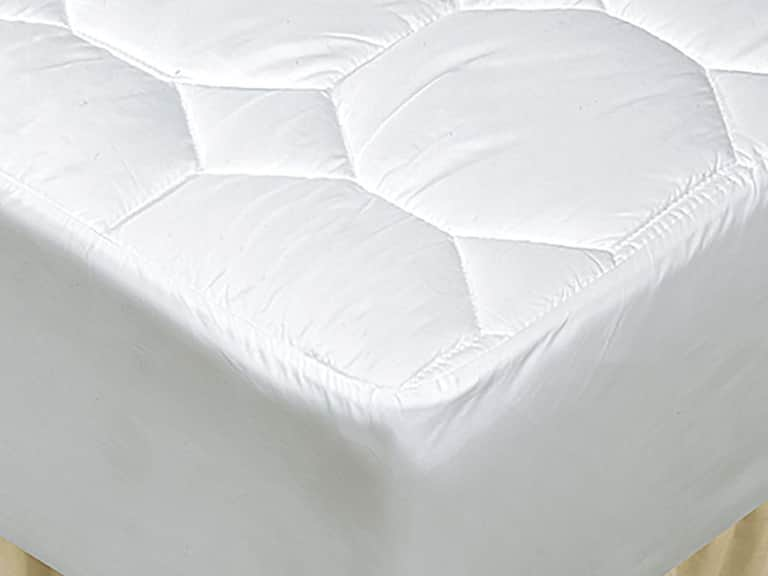
A plush, breathable layer featuring 100% cotton fill and a cotton-blend honeycomb quilted cover. Designed with 18" deep pockets and a jersey-knit skirt for a secure fit. Made in Austria and fully washable.
Key attributes: breathable, durable, easy care, secure fit
Vispring Heaven Luxury Mattress Topper
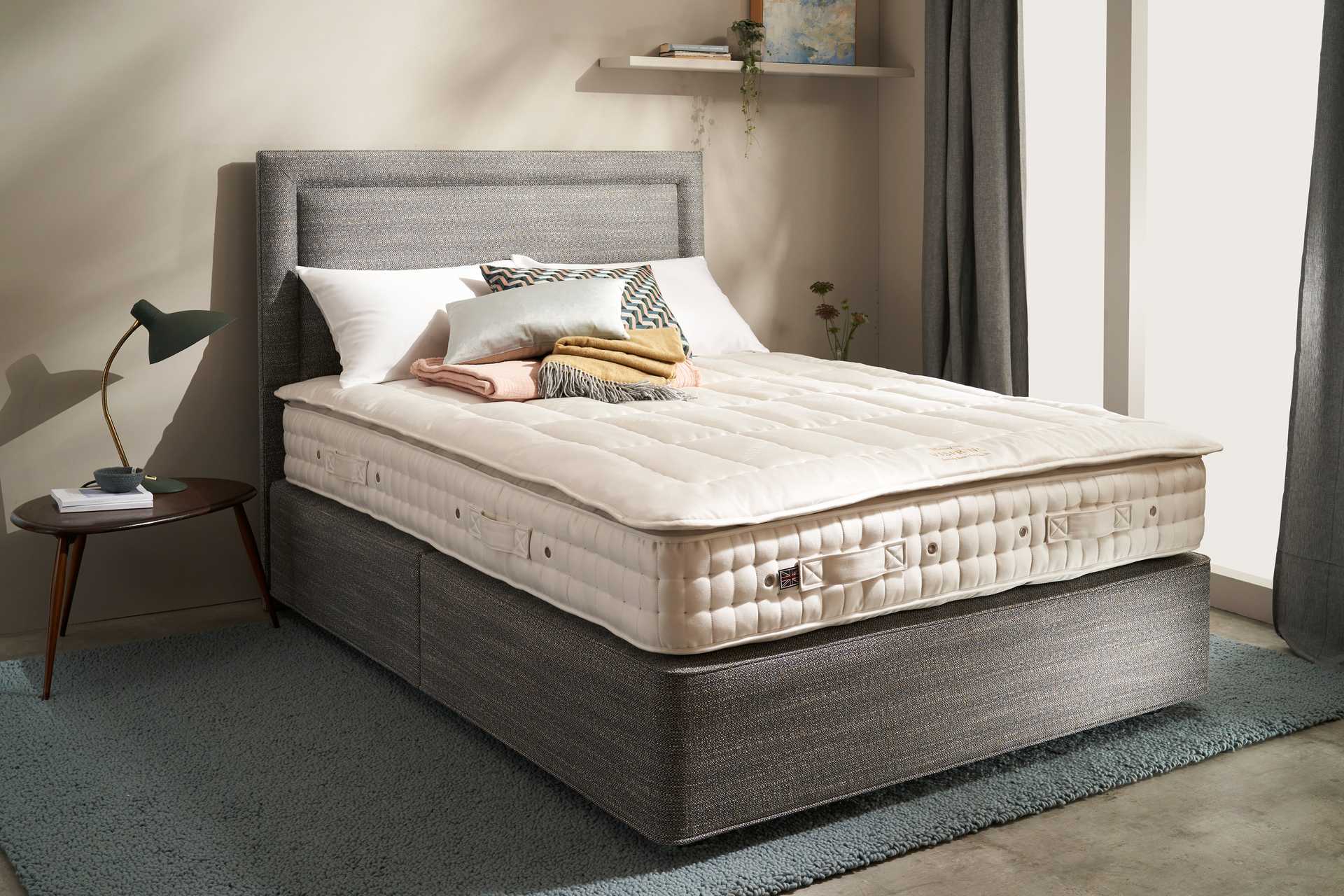
A pinnacle accessory crafted with British wool and cotton blend to regulate temperature and relieve pressure. The topper adds a luxurious layer without compromising support.
Key attributes: temperature regulation, pressure relief, premium fibers
A designer’s appreciations: three figures across time
Aurelia de Fonte, 17th Century Alcove Designer
Aurelia’s sensibilities for textile layering anticipated modern luxury bedding. Her notebooks reveal a nuanced appreciation for fiber interaction with climate, describing linen textures in aristocratic bed chambers and the ways drapery, mattress comfort, and thread count collaborate to shape a restful night.
Charlotte Perkins Gilman, early 20th century advocate of humane interiors
Gilman emphasized the relationship between environment and well-being, including sleep. Her advocacy for humane, functional spaces mirrors today’s emphasis on breathable fabrics and purposeful design that supports restorative rest.
Dr. Maria Rossi, contemporary sleep-science communicator
In modern times, Rossi translates research on circadian rhythms and environmental impact into consumer guidance. Her insights remind us that the best bedding is not merely luxurious but aligned with evidence-based sleep practices.
A practical reading list: quick references for deeper learning
- A Beginner’s Guide to Luxury Bedding: Materials, Weaves, and Comfort (overview of cotton, silk, linen, and blends).
- Care & Longevity: How to Care for Premium Bedding for Lasting Comfort.
- Certifications and Sourcing: Understanding Oeko-Tex, GOTS, and Responsible Cotton.
- Room Makeover: Designing a calm, luxury sleep space with lighting, acoustics, and color psychotherapy.
Conclusion: The fabric of rest
Premium bedding is an invitation to a more mindful night’s rest. It is a dialogue between material science, design philosophy, and personal comfort. Whether you lean toward the crisp certainty of cotton percale, the luminous embrace of silk, or the breathable calm of linen, the right fabric helps create a room that listens to your biology and remembers your preferences. A well-chosen set of sheets, a thoughtful mattress pad, and a carefully considered climate of your sleeping space can reframe the way you wake up—more rested, more present, and more aware of the quiet luxury that sleep offers. In the end, the story of luxury bedding is a story about you, your climate, and your nightly ritual—an enduring partnership between textile craft and the human need for rest.
Note on product inclusion
To illustrate the material choices discussed, the article references premium bedding items. Where applicable, product details and pricing are drawn from available catalog entries. For example, the Downtown Company Luxury Cotton Mattress Pad (Downtown Company) demonstrates the practical application of cotton fill and honeycomb quilting in a single sleep-ready layer. The Vispring Heaven Luxury Mattress Topper exemplifies the elevated potential of wool and cotton blends for temperature moderation. Silk sets, including mulberry silk offerings, illustrate the luxury end of the spectrum with the soft glow and drape associated with high Momme weight fabrics.
Selected premium pieces featured
Downtown Company Luxury Cotton Mattress Pad
The Downtown Company Luxury Cotton Mattress Pad features a plush 100% cotton fill and a cotton-blend honeycomb quilted cover, providing breathable comfort and understated elegance to the bed. 18" deep pockets with a flexible jersey-knit skirt ensure a smooth, secure fit. Made in Austria and fully washable.
Country of origin: Austria
Vispring Heaven Luxury Mattress Topper
A topper crafted with British wool and cotton blend, offering temperature control and pressure relief, elevating the overall bed experience and supporting restful sleep.
Craft: British wool and cotton blend